🇺🇸 FREE USA SHIPPING TODAY when you spend $10+ (no code req'd)!

SAVE 25% OFF site-wide w/code:

SAVE25NOW

🗂️ Find seeds by letter: ABCDEFGHIJKLMNOPQRSTUVWXYZ
✨ View all products listed A-Z or go back to The Seed Shop

Good Companion Plants for Chard Greens/Swiss Chard

(374 products)

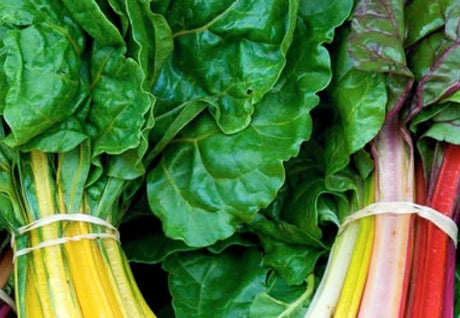
When it comes to planting Chard Greens/Swiss Chard seeds, choosing the right companion plants can greatly enhance their growth and overall health. By selecting compatible plants to grow alongside your Chard Greens/Swiss Chard, you can create a thriving garden ecosystem that benefits all the plants involved. These are all really good seeds to plant next to your Chard Greens/Swiss Chard.

Shop all Cabbage Seeds   📚 Cabbage Grow Guide
View as

  • Choose options
    $2.99
    Add to cart

    Pepper (Hot) - Bird's Eye 🔥🔥🔥 seeds

    From $299 USD
    View details

    Description

    The first thing you should know about the Bird’s Eye Chili Pepper is that it is ... HOT! That’s also the third and fifth things you should know. Small 1"-2", tapered fruit grows on a compact bush and ripens through all the showy colors of a painted bunting, green to purple to orange to red. Pungent with fruity, tropical notes and a serious blast of heat. Use this little Thai chili to add fiery flair to everything from Asian stir fries to Indian curries to South African peri-peri sauce.

    • Hot
    • Fruity, tropical flavor
    • Good for planting in containers & small spaces
    • Harvest any color

    SEED PLANTING TIPS

    • Botanical name: Capsicum annuum
    • Pepper length: 1"-2"
    • Scoville heat units (SHU): 50,000-100,000/hot
    • Plant support: None
    • Depth to plant seeds: .25" deep
    • Spacing between plants: 12"-18" apart
    • Spacing between rows: 18"-24" apart
    • Days to germinate (sprout): 7-21 days
    • Germination soil temps: 75F-85F
    • Soil needs: 6.0-7.0 pH
    • Sun needs: Full sun
    • Frost hardy: No
    • Planting season: Spring, summer
    • # of plants per sq. ft.: Appx. 1 plant per sq. ft.
    • Days to maturity: 100+ days

    Good companion plants: Basil, Carrot, Cucumber, Eggplant, Okra, Rosemary, Sage, Squash, Tomato

    • The Birds Eye pepper is the official wild pepper of Texas. A very hot, often 7x – 8x hotter on the scoville scale than jalapenos!

    • This is a Perennial pepper variety which means that if the soil doesn’t freeze hard in your area, you'll most likely be able to grow these peppers all year round.

    • Easy to grow from seeds.

    • Can be used in place of any hot peppers in many culinary recipes. 

    • The commercial hot sauce brand Cholula lists bird peppers as one of its ingredients.

    • Thomas Jefferson first obtained seed of the Bird's Eye Pepper in 1812 from Captain Samuel Brown, who was stationed in San Antonio, Texas.  Jefferson recorded planting this pepper in pots and in the kitchen garden in 1814. [source]

    All Peppers ⟐ Hot Peppers   📚 Hot Peppers Grow Guide
  • Choose options
    $2.99
    Add to cart
    View details

    Description

    The Pasillo Beijio pepper, also known as the Pasilla de Oaxaca, is a unique variety of chili pepper that is highly regarded for its rich flavor profile and versatility in culinary applications. This pepper is native to Mexico 🇲🇽 and is often used in traditional dishes, making it a valuable addition to any garden focused on organic produce.

    Characterized by its dark green to brownish color, the Pasillo Beijio pepper typically measures between 6 to 8 inches in length. When dried, it transforms into a deep, wrinkled pod that is commonly used in sauces, salsas, and as a seasoning for various dishes. The flavor of the Pasillo Beijio is often described as smoky and earthy, with a moderate heat level that ranges from 1,000 to 2,500 Scoville Heat Units (SHU). This makes it suitable for those who enjoy a mild to medium heat in their culinary creations.

    In terms of cultivation, the Pasillo Beijio pepper plant thrives in warm climates and requires full sun exposure for optimal growth. It is advisable to plant these peppers in well-drained soil enriched with organic matter to promote healthy development. The plant typically reaches a height of 2 to 3 feet and can produce a substantial yield, making it an excellent choice for home gardeners looking to grow their own peppers.

    When growing Pasillo Beijio peppers, it is essential to monitor the watering schedule carefully. These plants prefer consistent moisture but should not be overwatered, as this can lead to root rot. Fertilization with a balanced organic fertilizer can also enhance growth and fruit production. Harvesting should occur when the peppers are fully mature, which is indicated by their dark color and firm texture.

    In addition to their culinary uses, Pasillo Beijio peppers are also rich in vitamins A and C, as well as antioxidants, contributing to their health benefits. Incorporating these peppers into your diet can support immune function and overall health.

    In summary, the Pasillo Beijio pepper plant is an excellent choice for gardeners interested in growing flavorful and versatile peppers. With proper care and attention, this plant can yield a bountiful harvest that enhances both the garden and the kitchen.

    SEED PLANTING TIPS

    • Botanical name: Capsicum annuum
    • Plant support: Tomato cage or stake
    • Depth to plant seeds: .25" deep
    • Spacing between plants: 18"-24" apart
    • Spacing between rows: 24"-36" apart
    • Days to germinate (sprout): 7-21 days
    • Germination soil temps: 75F-85F
    • Soil needs: 6.0-7.0 pH
    • Sun needs: Full sun
    • Frost hardy: No
    • Planting season: Spring, summer
    • # of plants per sq. ft.: Appx. 1 plant per sq. ft.
    • Days to maturity: 75-85 days


    Good companion plants:
     Basil, Carrot, Cucumber, Eggplant, Okra, Rosemary, Sage, Squash, Tomato


      All Peppers ⟐ Hot Peppers   📚 Hot Peppers Grow Guide
    • Choose options
      $2.99
      Add to cart

      Kale - Tuscany, Black seeds

      From $299 USD
      View details

      Description

      The Black Tuscany Kale, is a unique variety of kale that has gained popularity among gardeners and chefs alike due to its distinctive appearance and robust flavor. This leafy green is characterized by its dark green, crinkled leaves that resemble the skin of a dinosaur, hence its nickname. The plant is not only visually appealing but also offers numerous health benefits, making it an excellent addition to any garden.

      Originating from Italy, the Black Tuscany Kale thrives in cooler climates and is known for its resilience. It can withstand frost, which often enhances its flavor, making it a preferred choice for fall and winter gardens. The plant typically reaches a height of 2 to 3 feet and can spread up to 2 feet wide, providing ample foliage for harvesting.

      In terms of nutritional value, Black Tuscany Kale is a powerhouse. It is rich in vitamins A, C, and K, as well as minerals such as calcium and iron. Studies have shown that kale is one of the most nutrient-dense foods available, with a high concentration of antioxidants that can help combat oxidative stress in the body. Incorporating this leafy green into your diet can contribute to overall health and wellness.

      When cultivating Black Tuscany Kale, it is essential to consider its growing conditions. The plant prefers well-drained, fertile soil with a pH level between 6.0 and 7.5. It thrives in full sun but can tolerate partial shade, making it versatile for various garden layouts. Regular watering is crucial, especially during dry spells, as consistent moisture promotes healthy growth. Additionally, applying organic mulch can help retain soil moisture and suppress weeds.

      Harvesting Black Tuscany Kale is straightforward. The leaves can be picked individually or cut from the base of the plant. It is advisable to harvest the outer leaves first, allowing the inner leaves to continue growing. This method not only prolongs the plant's productivity but also ensures a continuous supply of fresh greens throughout the growing season.

      In conclusion, the Black Tuscany Kale plant is an excellent choice for gardeners seeking a nutritious and visually striking addition to their vegetable patch. Its hardiness, nutritional benefits, and culinary versatility make it a valuable crop for both home gardeners and professional chefs. By understanding its growing requirements and harvesting techniques, you can successfully cultivate this remarkable plant and enjoy its many benefits in your kitchen.


      Click here for complete Kale grow guide


      Follow SeedsNow.com's board Kale on Pinterest.


    • Choose options
      $2.99
      Sold out

      Onion Transplants (Long Day) - OG Ruby, Red *pre-order*

      From $299 USD
      View details

      Description

      Quick Overview

      A long day variety that is small and flat with a ruby red skin. An excellent, unique flavor that can be added to any dish. Sure to be your new favorite! ORGANIC


      How to Plant Bulb Onions

      Onion bulbs are quite hardy and can withstand 20° F frost. They should be set out 4-6 weeks prior to the last expected frost. When your plants arrive they should appear to be quite dry. DO NOT WET THEM NOR STICK THEIR ROOTS IN WATER. Unpack them and store them in a cool, dry place until it is time to plant. They should last about 3 weeks kept this way. Do not worry that your plants seem dry. They will "shoot" new roots and new, green tops as soon as they are planted. Be sure to specify on your order when you want your plants to arrive.

    • Choose options
      $1.99
      Add to cart

      Lettuce - Bronze Mignonette (Butterhead) seeds

      From $199 USD
      View details

      Description

      The Bronze Mignonette lettuce (Lactuca sativa) is a distinctive variety of lettuce known for its unique coloration and flavor profile. This heirloom variety features leaves that are a rich bronze color, which not only adds visual interest to the garden but also provides a slightly nutty taste that is favored in gourmet salads. The leaves are tender and crisp, making them an excellent choice for fresh consumption.

      In terms of growth characteristics, the Bronze Mignonette lettuce is a loose-leaf variety that typically reaches maturity in approximately 50 to 60 days after sowing. It thrives in cool weather, making it ideal for spring and fall planting. Optimal growing conditions include well-drained, fertile soil with a pH level between 6.0 and 7.0. This lettuce variety prefers full sun but can tolerate partial shade, particularly in warmer climates.

      When planting Bronze Mignonette lettuce, it is recommended to space seeds approximately 12 inches apart to allow for adequate air circulation and growth. Regular watering is essential, particularly during dry spells, as consistent moisture helps to maintain the crispness of the leaves. However, care should be taken to avoid waterlogging, which can lead to root rot.

      In terms of nutritional value, lettuce is low in calories and provides a good source of vitamins A and K, as well as folate. The Bronze Mignonette variety, in particular, is noted for its high antioxidant content, which contributes to overall health benefits. Incorporating this lettuce into your diet can enhance your intake of essential nutrients while adding a flavorful component to meals.

      Harvesting Bronze Mignonette lettuce can begin when the leaves are large enough to eat, typically around 30 days after sowing. It is advisable to harvest the outer leaves first, allowing the inner leaves to continue growing. This method not only prolongs the harvest period but also ensures that the plant remains healthy and productive.

      In conclusion, the Bronze Mignonette lettuce is an excellent addition to any garden, offering both aesthetic appeal and culinary versatility. Its unique flavor and nutritional benefits make it a valuable crop for home gardeners and culinary enthusiasts alike. By understanding its growth requirements and harvesting techniques, gardeners can successfully cultivate this delightful variety and enjoy its fresh taste throughout the growing season.


      Click here for our complete Lettuce grow guide

    • Choose options
      $1.99
      Sold out

      Onion (Transplants) - Rock, Red (Intermediate Day)

      From $199 USD
      View details

      Description

      Quick Overview

      Red rock is a beautiful red heirloom intermediate day onion. It has a consistent red color throughout, with a medium-to-large bulb size that is slightly flat on top.

      • Intermediate Day

      Organic

      Heirloom

      • Crisp, mild flavor

      How to Plant Bulb Onions

      Onion bulbs are quite hardy and can withstand 20° F frost. They should be set out 4-6 weeks prior to the last expected frost. When your plants arrive they should appear to be quite dry. DO NOT WET THEM NOR STICK THEIR ROOTS IN WATER. Unpack them and store them in a cool, dry place until it is time to plant. They should last about 3 weeks kept this way. Do not worry that your plants seem dry. They will "shoot" new roots and new, green tops as soon as they are planted.

    • Choose options
      $1.99
      Sold out

      Onion (Transplants) - Grano, White (Short Day)

      From $199 USD
      View details

      Description

      Quick Overview

      A beautiful white heirloom short day onion. It has a mild and crisp flavor,great to liven up any dish! This also is a favorite canning and matures in approx. 110 days.

      • Short Day

      Organic

      Heirloom

      • Crisp, mild flavor

      How to Plant Bulb Onions

      Onion bulbs are quite hardy and can withstand 20° F frost. They should be set out 4-6 weeks prior to the last expected frost. When your plants arrive they should appear to be quite dry. DO NOT WET THEM NOR STICK THEIR ROOTS IN WATER. Unpack them and store them in a cool, dry place until it is time to plant. They should last about 3 weeks kept this way. Do not worry that your plants seem dry. They will "shoot" new roots and new, green tops as soon as they are planted.

    • Choose options
      $1.99
      Sold out

      Onion (Transplants) - OG WALLA WALLA (Long Day)

      From $199 USD
      View details

      Description

      Quick Overview

      ORGANIC For generations this variety has been the pride of Washington State's onion producing region. This famous Northwest gourmet sweet onion can be grown from seed. In long and intermediate day areas where temperatures do not drop below -10 degrees. They can be planted between August 15th and September 1st and overwintered under a light mulch for harvest the following late June or early July. For colder areas it's best to raise seedlings and set out transplants in early to mid April. Not a storage onion. 

      How to Plant Bulb Onions

      Onion bulbs are quite hardy and can withstand 20° F frost. They should be set out 4-6 weeks prior to the last expected frost. When your plants arrive they should appear to be quite dry. DO NOT WET THEM NOR STICK THEIR ROOTS IN WATER. Unpack them and store them in a cool, dry place until it is time to plant. They should last about 3 weeks kept this way. Do not worry that your plants seem dry. They will "shoot" new roots and new, green tops as soon as they are planted. Be sure to specify on your order when you want your plants to arrive.

    • Choose options
      $1.99
      Add to cart

      Lettuce - Kagraner Sommer (Butterhead) seeds

      From $199 USD
      View details

      Description

      The Kagraner Sommer lettuce, also known as Summer Lettuce, is a popular variety among gardeners due to its adaptability and ease of cultivation. This lettuce type is characterized by its crisp texture and mild flavor, making it an excellent choice for salads and garnishes. The plant typically reaches a height of 12 to 18 inches and produces large, loose heads that can weigh up to 1 pound each.

      One of the key advantages of the Kagraner Sommer lettuce is its resistance to bolting, which is a common issue in many lettuce varieties during warmer months. This trait allows gardeners to extend their growing season, as the plant can thrive in temperatures ranging from 60°F to 75°F (15°C to 24°C). In fact, studies have shown that this variety can maintain optimal growth even when daytime temperatures exceed 80°F (27°C), making it suitable for summer gardening.

      When planting Kagraner Sommer lettuce, it is essential to choose a location that receives full sun for at least six hours a day. The soil should be well-draining and rich in organic matter, with a pH level between 6.0 and 7.0. To enhance growth, it is advisable to incorporate compost or well-rotted manure into the soil prior to planting. This practice not only improves soil fertility but also promotes healthy root development.

      In terms of spacing, seedlings should be planted approximately 12 inches apart to allow for adequate air circulation and growth. Regular watering is crucial, especially during dry spells, as lettuce has a high water content and requires consistent moisture to prevent wilting. It is recommended to water the plants deeply once or twice a week, depending on weather conditions.

      Harvesting Kagraner Sommer lettuce can begin approximately 60 to 70 days after sowing. The leaves can be picked individually or the entire head can be harvested at once. It is important to harvest in the morning when temperatures are cooler, as this helps to preserve the crispness and flavor of the leaves. Once harvested, the lettuce should be stored in a cool, dark place and consumed within a week for optimal freshness.

      In conclusion, the Kagraner Sommer lettuce is an excellent addition to any garden, particularly for those looking to grow a reliable and flavorful summer crop. With proper care and attention to growing conditions, gardeners can enjoy a bountiful harvest of this nutritious leafy green.


      Click here for our complete Lettuce grow guide

    • Choose options
      $4.99
      Add to cart

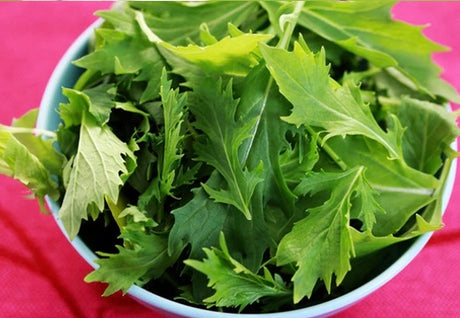
      Sprouts/Microgreens - Mustard, Tatsoi seeds

      From $499 USD
      View details

      Description

      Mustard, Sprouts & Micro-Greens

      • Mustard is a member of the crucifer family.

      • Mustard greens are a popular dish in the Southern U.S. and are an excellent source of vitamins A and C.

      • Mustard sprouts have a strong spicy flavor and are usually blended with alfalfa or clover sprouts.


      Follow SeedsNow.com's board Mustard on Pinterest.


    • Choose options
      $2.99
      Add to cart

      Tomato - Sunray (Indeterminate) seeds

      From $299 USD
      View details

      Description

      The Sunray tomato plant, known for its vibrant yellow fruit, is a popular choice among gardeners seeking to diversify their vegetable gardens. This cultivar is characterized by its high yield and robust growth, making it suitable for both novice and experienced gardeners. The Sunray tomato is classified as an indeterminate variety, which means it continues to grow and produce fruit throughout the growing season until killed by frost.

      One of the notable features of the Sunray tomato plant is its ability to thrive in a variety of soil types, although it prefers well-drained, loamy soil enriched with organic matter. The optimal pH range for growing Sunray tomatoes is between 6.0 and 6.8. This range promotes nutrient availability and enhances overall plant health. Regular soil testing can help gardeners maintain the appropriate pH and nutrient levels, ensuring optimal growth conditions.

      In terms of sunlight requirements, the Sunray tomato plant thrives in full sun, requiring at least 6 to 8 hours of direct sunlight each day. This exposure is crucial for the photosynthesis process, which is vital for fruit development. Insufficient sunlight can lead to stunted growth and reduced fruit production. Therefore, selecting an appropriate location in the garden that receives ample sunlight is essential for successful cultivation.

      Watering practices also play a significant role in the health of the Sunray tomato plant. Consistent moisture is necessary, particularly during the fruiting stage. However, overwatering should be avoided, as it can lead to root rot and other fungal diseases. A general guideline is to provide about 1 to 1.5 inches of water per week, adjusting based on rainfall and soil moisture levels. Mulching around the base of the plant can help retain soil moisture and suppress weed growth.

      Fertilization is another critical aspect of growing Sunray tomatoes. A balanced fertilizer with equal parts nitrogen, phosphorus, and potassium is recommended during the early stages of growth. As the plant begins to flower, a fertilizer higher in phosphorus can promote better fruit set and development. It is advisable to follow the manufacturer's instructions regarding application rates and timing to avoid nutrient burn.

      Pest management is essential for maintaining the health of the Sunray tomato plant. Common pests include aphids, whiteflies, and tomato hornworms. Integrated pest management (IPM) strategies, such as introducing beneficial insects, using insecticidal soaps, and practicing crop rotation, can effectively control pest populations while minimizing chemical use.

      In conclusion, the Sunray tomato plant is a valuable addition to any garden, offering both aesthetic appeal and culinary benefits. By understanding its growth requirements and implementing best practices in cultivation, gardeners can enjoy a bountiful harvest of flavorful tomatoes throughout the growing season.

      SEED PLANTING TIPS

      • Botanical name: Solanum lycopersicum
      • Growth type: Indeterminate, trellis support, regular pruning 
      • Tomato size: Medium
      • Depth to plant seeds: .25" deep
      • Spacing between plants: 24" apart
      • Spacing between rows: 36"-48" apart
      • Days to germinate (sprout): 7-14 days
      • Germination soil temps: 75F-95F
      • Soil needs: 6.0-6.5 pH
      • Sun needs: Full sun
      • Frost hardy: No
      • Planting season: Spring, summer
      • # of plants per sq. ft.: Appx. 1 plant per 2 sq. ft.
      • Days to maturity: 75-80 days

      Click here to view our full Tomato grow guide

      Good companion plants: Basil, Borage, Onion, Parsley, Pepper


    • Choose options
      $2.99
      Add to cart

      Tomato - Marglobe Improved (Indeterminate) seeds

      From $299 USD
      View details

      Description

      The Marglobe Improved tomato plant is a hybrid variety that has gained recognition among gardeners for its robust growth and high yield potential. This cultivar is particularly well-suited for home gardens, as it offers a combination of disease resistance and adaptability to various growing conditions. The Marglobe tomato is known for its round, medium-sized fruit, which typically weighs between 5 to 7 ounces and features a rich, red color when fully ripe.

      One of the key advantages of the Marglobe Improved tomato plant is its resistance to common tomato diseases, such as Fusarium wilt and Verticillium wilt. Studies have shown that this variety can exhibit up to a 30% higher resistance to these diseases compared to non-hybrid varieties. This characteristic makes it an excellent choice for gardeners looking to minimize crop loss due to disease.

      In terms of growth habits, the Marglobe Improved tomato plant is classified as an indeterminate variety, meaning it continues to grow and produce fruit throughout the growing season until frost. This trait allows for extended harvesting periods, often yielding fruit from mid-summer until the first frost in the fall. Gardeners can expect to harvest approximately 10 to 15 pounds of tomatoes per plant, depending on growing conditions and care.

      When planting Marglobe tomatoes, it is essential to consider their sunlight and soil requirements. These plants thrive in full sun, requiring at least 6 to 8 hours of direct sunlight daily. Additionally, well-draining soil enriched with organic matter is crucial for optimal growth. Soil pH should be maintained between 6.0 and 6.8 for best results. Regular watering is also important, as tomatoes require consistent moisture to develop properly, with an ideal range of 1 to 2 inches of water per week.

      To support the growth of Marglobe Improved tomato plants, gardeners may consider staking or caging the plants to prevent sprawling and to promote better air circulation. This practice can help reduce the risk of fungal diseases and improve overall fruit quality. Fertilization should be approached with care; a balanced fertilizer applied at planting and again during the growing season can enhance growth without leading to excessive foliage at the expense of fruit production.

      In conclusion, the Marglobe Improved tomato plant is a valuable addition to any garden, offering a combination of disease resistance, high yield, and adaptability. By understanding its specific needs and growth habits, gardeners can successfully cultivate this variety and enjoy a bountiful harvest of flavorful tomatoes.

      SEED PLANTING TIPS

      • Botanical name: Solanum lycopersicum
      • Growth type: Indeterminate, trellis support, regular pruning 
      • Tomato size: Medium
      • Depth to plant seeds: .25" deep
      • Spacing between plants: 24" apart
      • Spacing between rows: 36"-48" apart
      • Days to germinate (sprout): 7-14 days
      • Germination soil temps: 75F-95F
      • Soil needs: 6.0-6.5 pH
      • Sun needs: Full sun
      • Frost hardy: No
      • Planting season: Spring, summer
      • # of plants per sq. ft.: Appx. 1 plant per 2 sq. ft.
      • Days to maturity: 70-80 days

      Click here to view our full Tomato grow guide

      Good companion plants: Basil, Borage, Onion, Parsley, Pepper

    • Choose options
      $2.99
      Add to cart

      Pepper (Hot) - Mushroom, Red 🔥 seeds

      From $299 USD
      View details

      Description

      The Hot Mushroom Pepper, scientifically known as Capsicum annuum, is a unique variety of chili pepper that is gaining popularity among gardeners and culinary enthusiasts alike. This pepper is characterized by its distinctive mushroom-like shape and vibrant color, which can range from green to red as it ripens. The plant typically reaches a height of 18 to 24 inches and produces fruit that can measure approximately 2 to 3 inches in length.

      One of the notable features of the Hot Mushroom Pepper is its heat level, which is measured on the Scoville scale. This pepper generally falls within the range of 1,000 to 5,000 Scoville Heat Units (SHU), making it a moderately spicy option for those who enjoy a bit of heat in their dishes. For comparison, jalapeño peppers typically range from 2,500 to 8,000 SHU, indicating that the Hot Mushroom Pepper can provide a milder kick.

      In terms of cultivation, the Hot Mushroom Pepper thrives in warm climates and requires full sun exposure for optimal growth. It is essential to plant these peppers in well-draining soil enriched with organic matter to ensure healthy development. The ideal soil pH for growing Hot Mushroom Peppers is between 6.0 and 6.8. Regular watering is crucial, especially during dry spells, as the plant prefers consistent moisture without becoming waterlogged.

      Harvesting the Hot Mushroom Pepper typically occurs around 70 to 80 days after planting, once the fruit has reached its full size and color. It is advisable to use pruning shears or scissors to cut the peppers from the plant to avoid damaging the stems. The harvested peppers can be used fresh in salads, salsas, or cooked dishes, and they can also be dried or pickled for preservation.

      In addition to their culinary uses, Hot Mushroom Peppers are also known for their health benefits. They are rich in vitamins A and C, as well as antioxidants, which can contribute to overall health and well-being. The capsaicin found in peppers has been studied for its potential anti-inflammatory properties and its ability to boost metabolism.

      In summary, the Hot Mushroom Pepper plant is an excellent addition to any garden, offering both aesthetic appeal and culinary versatility. With proper care and attention, gardeners can enjoy a bountiful harvest of these unique peppers, enhancing their meals while reaping the health benefits associated with their consumption.


      SEED PLANTING TIPS

      • Botanical name: Capsicum annuum
      • Plant support: Tomato cage or stake
      • Depth to plant seeds: .25" deep
      • Spacing between plants: 18"-24" apart
      • Spacing between rows: 24"-36" apart
      • Days to germinate (sprout): 7-21 days
      • Germination soil temps: 75F-85F
      • Soil needs: 6.0-7.0 pH
      • Sun needs: Full sun
      • Frost hardy: No
      • Planting season: Spring, summer
      • # of plants per sq. ft.: Appx. 1 plant per sq. ft.
      • Days to maturity: 75-85 days


      Good companion plants:
       Basil, Carrot, Cucumber, Eggplant, Okra, Rosemary, Sage, Squash, Tomato

        All Peppers ⟐ Hot Peppers   📚 Hot Peppers Grow Guide
      • Choose options
        $1.99
        Sold out

        Onion (Transplants) - OG Borettana Cipollini (Long Day)

        From $199 USD
        View details

        Description

        Quick Overview

        A great storage onion that has made the Italian onions famous. A long day variety that is small and flat with a yellow-brown skin. An excellent, unique flavor that can be added to any dish. ORGANIC


        How to Plant Bulb Onions

        Onion bulbs are quite hardy and can withstand 20° F frost. They should be set out 4-6 weeks prior to the last expected frost. When your plants arrive they should appear to be quite dry. DO NOT WET THEM NOR STICK THEIR ROOTS IN WATER. Unpack them and store them in a cool, dry place until it is time to plant. They should last about 3 weeks kept this way. Do not worry that your plants seem dry. They will "shoot" new roots and new, green tops as soon as they are planted. Be sure to specify on your order when you want your plants to arrive.

      • Choose options
        $2.99
        Sold out

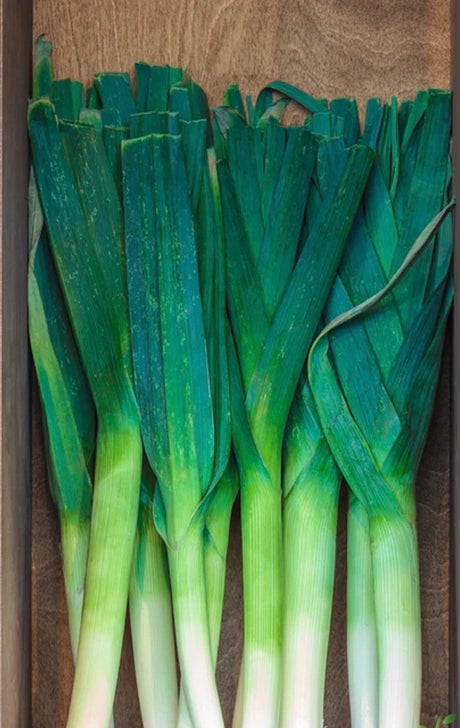
        Leek (Transplants) - OG American Flag

        From $299 USD
        View details

        Description

        Quick Overview

        An excellent, fast growing leek. Under good conditions the white stem can reach 1' in length. Best for flavor and productivity in our trials of summer leeks. Shows frost resistance but will not overwinter. Tolerates frost as well as onions.


      • Choose options
        $2.99
        Sold out

        Tomato - Oxheart, Yellow (Indeterminate) seeds

        From $299 USD
        View details

        Description

        Allow us to introduce you to this fine fellow: the Yellow Oxheart Tomato. With large 1-2 lb fruits, it’s easy to savor its well-balanced flavor. Juicy and mild, it can be styled with a pinch of salt or you can can it. A delicious, nutritious fruit in the shape of a heart that you can easily add to your cart. 

        You may also like: Orange Oxheart Tomatoes ⟐ Pink Oxheart Tomatoes

        • Meaty and juicy
        • Small seed core
        • Well-balanced flavor
        • Good fresh or cooked

        SEED PLANTING INFO

        • Botanical name: Solanum lycopersicum
        • Growth type: Indeterminate, trellis support, regular pruning 
        • Tomato size: Large (1-2 lbs.)
        • Depth to plant seeds: .25" deep
        • Spacing between plants: 24" apart
        • Spacing between rows: 36"-48" apart
        • Days to germinate (sprout): 7-14 days
        • Germination soil temps: 75F-95F
        • Soil needs: 6.0-6.5 pH
        • Sun needs: Full sun
        • Frost hardy: No
        • Planting season: Spring, summer
        • # of plants per sq. ft.: Appx. 1 plant per 2 sq. ft.
        • Days to maturity: 85-90 days

        Click here to view our full Tomato grow guide

        Good companion plants: Basil, Borage, Onion, Parsley, Pepper

      • Choose options
        $39.99
        Add to cart

        All-in-One WORLD'S Hottest Peppers 🥵🔥🌶️ Variety Pack

        $3999 USD $5499
        View details

        Description

        This curated assortment brings together 15 of the world's most sought-after hot pepper seed varieties. From Ghost Peppers and beyond, each variety delivers distinct flavor profiles alongside serious Scoville ratings. 

        What are Scoville heat units (SHU)?  Scoville Heat Units measure the spiciness or pungency of peppers and spicy foods. The scale was developed in 1912 by pharmacist Wilbur Scoville, who created a standardized method to quantify capsaicin—the compound responsible for a pepper's heat. The Scoville scale ranges from 0 SHU (bell peppers) to 1 million SHU (Ghost Pepper). Each unit represents the amount of capsaicin present. A pepper rated at 50,000 SHU is fifty times hotter than one rated at 1,000 SHU. 


        Includes one (1) sampler pack of each the following:
        Pepper (Hot) - Ghost Chili/Bhut Jolokia 🔥🔥🔥🔥🔥🔥🥵 (HYBRID) - SeedsNow.com

        1. Ghost Chili/Bhut Jolokia

        Scoville heat units (SHU): 800,000-1,000,000!!!! 🔥🔥🔥🔥🔥🔥

        The Ghost Chili Pepper (Bhut Jolokia) may look like a little wrinkled whoopee cushion, but this pepper is no joke. One of the hottest peppers in the world. This 2"-3" conical fruit ripens from green to orange to red, with a sweet, fruity flavor that you’ll be able to taste for about 30-45 seconds until the heat creeps in and lights your mouth on fire. 🥵 Contains appx. 5 seeds

        Pepper (Hot) - Devil's Tongue, Yellow 🔥🔥🔥🔥🔥 - SeedsNow.com

        2. Devil's Tongue, Yellow

        Scoville heat units (SHU): 300,000-500,000 🔥🔥🔥🔥🔥

        The Yellow Devil’s Tongue pepper plants produce legions of 2"-3" tapered fruits that wrinkle and ripen from light green to bright yellow to golden yellow, and have a sweet, citrusy flavor. If you’re tempted to set your own tongue ablaze and have idle hands, push up some daisies and plant this pepper. Makes a scorching hot sauce or wicked pickles. Contains appx. 10 seeds

        Pepper (Hot) - Pretty Purple  🔥🔥🔥🔥 - SeedsNow.com

        3. Pretty Purple

        Scoville heat units (SHU): 200,000-350,000 🔥🔥🔥🔥

        An edible ornamental, the Pretty Purple Pepper loves an audience. Compact plants produce an ensemble of 1"-2" tapered fruits that lift their tips in a glorious chorus line of mini rockets, going through several costume changes in green, purple, yellow, orange, and red. The show goes on when you bite into one. With a searing purple heat in tune with the Habaneros and the Scotch Bonnets, you’ll be singing and dancing in your own Broadway musical. Contains appx. 15 seeds

        Pepper (Hot) - Scotch Bonnet, Yellow 🔥🔥🔥 - SeedsNow.com

        4. Scotch Bonnet, Yellow

        Scoville heat units (SHU): 100,000-350,000 🔥🔥🔥

        If you’ve ever wondered if the sun has a flavor, the Yellow Scotch Bonnet Pepper is your answer. This deeply lobed fruit that resembles the folds of a Scottish cap is sweet and fruity, and hot enough to break a wild horse. The generous plant produces 1"-2" fruits that ripen from green to yellow to yellower. This sunny little pepper is a key ingredient in Jamaican foods for unique flavor and scorching heat, and can easily ignite all of your recipes. Contains appx. 10 seeds

        Pepper (Hot) - Scotch Bonnet, Red  🔥🔥🔥 - SeedsNow.com

        5. Scotch Bonnet, Red

        Scoville heat units (SHU): 100,000-350,000 🔥🔥🔥🔥

        The Red Scotch Bonnet Pepper is so named because its defined lobes resemble a Scotsman’s tam o’ shanter hat. Also called the Caribbean Red Pepper, the stout little fruit is sweeter and fruitier than its cousin, the Habanero, and hot enough to make a bird fly north for the winter. The plant puts out loads of 1"-2" green waxy fruits with thin skin that ripen through yellow, orange, and red. Its extreme heat and unique flavor is traditionally used in Caribbean hot sauce and jerk seasoning, but will be just as tasty and burn just as hot in any of your recipes. Contains appx. 10 seeds

        Pepper (Hot) - Habanero, Chocolate  🔥🔥🔥🔥🔥 - SeedsNow.com

        6. Habanero, Chocolate

        Scoville heat units (SHU): 400,00-600,000 🔥🔥🔥🔥

        The Chocolate Habanero Pepper is a prolific plant that produces lots of 2" waxy nuggets that ripen from dark green to reddish brown. Twice as hot as other Habanero peppers, with a distinct flavor. First, a smoky earthiness drives up, then a fruity sweetness hops in the car, and soon you’re off at 600,000 SHUs, entering the on ramp to Ghost Pepper territory. Use it to spice up everything from margaritas to mango salsa to marinated brisket, and yes, even chocolate. Contains appx. 15 seeds

          Pepper (Hot) - Habanero, Red Caribbean 🔥🔥🔥🔥🔥 - SeedsNow.com

           7. Habanero, Red Caribbean

          Scoville heat units (SHU): 400,00-600,000 🔥🔥🔥🔥

          The sweet, citrusy flavor, tropical fragrance, and lush green foliage of the Red Caribbean Habanero will remind you of a beach vacation. And so will the searing heat! Produces loads of small 1"-2" wrinkled fruits that twinkle in colors ranging from key lime green to sunrise yellow to sunset orange to sunburn red. Use it to make some haba-haba salsa, broiled halibut with charred pepper cream sauce, or spicy pineapple ice cream. Contains appx. 10 seeds

            Pepper (Hot) - Habanero, Lemon 🔥🔥🔥🔥 - SeedsNow.com

             8. Habanero, Lemon

            Scoville heat units (SHU): 200,000-300,000 🔥🔥🔥🔥

            Yellow like the sun and hot as blazes describes the Lemon Habanero Pepper. If that scares you, there’s a Yellow Banana Pepper and a cup of milk waiting for you in the nursery. Everyone else can pull up a chair to the big kids’ table. This prolific plant produces lots of 2" wrinkled, waxy fruits that ripen from bright green to bright yellow to smoky golden yellow. The fruity fragrance draws you in, the citrusy flavor sits you down, and then 200,000-300,000 Scoville heat units (SHUs) of pure heat blaze across your tongue. Where’d you say that milk is again? Contains appx. 10 seeds

            Pepper (Hot) - Habanero, Orange 🔥🔥🔥🔥 - SeedsNow.com

            9. Habanero, Orange

            Scoville heat units (SHU): 200,000-300,000 🔥🔥🔥🔥

            The Orange Habanero Pepper is the kind of pepper that makes you want to check your garden several times a day to see how orange it can get. Very. The kind of pepper that makes you wonder if you can add it to a dish with all orange ingredients like chorizo, carrots, and sweet potatoes. Yes. Or how about with apricots and cantaloupe?  Contains appx. 15 seeds

              Pepper (Hot) - Habanero, White 🔥🔥🔥🔥 - SeedsNow.com

              10. Habanero, White

              Scoville heat units (SHU): 100,000-300,000 🔥🔥🔥🔥

              The White Habanero Pepper produces lots of small 1"-2" fruits, all of them infused with smoky, sweet flavor and a heat like white lightning. These little thunderbolts start out green and ripen to a glossy pearl. Use them to wake up a pot of white bean chicken chili or add a flash of fire to a jar of mayonnaise. Contains appx. 15 seeds

                Pepper (Hot) - Tepin 🔥🔥🔥 - SeedsNow.com


                11. Tepin

                Scoville heat units (SHU): 50,000-100,000 🔥🔥🔥

                The Tepin Pepper is a tiny treat with a lot of heat. Compact, vigorous plants produce lots of juicy, pea-sized fruits that are hot enough to make a cookie crumble. This is a perennial bush in warmer locations, so if it survives the winter, it will grow back bigger and more productive. Use it to heat up anything from honey to menudo to ice cream. Contains appx. 10 seeds

                Pepper (Hot) - Thai 🔥🔥🔥 - SeedsNow.com

                12. Thai

                Scoville heat units (SHU): 50,000-100,000 🔥🔥🔥

                The Thai Hot Pepper hits every type of cuisine with a delightful bolt of lightning. This compact plant throws out lots of slender 1"-3" fruits that grow with their tapered tips up, maturing from popping green to crackling yellow to flashing orange to sizzling red. A type of Bird Pepper, the plant grows to only about 8" tall, so you can plant several close together for a striking ornamental border and more tasty peppers, or interplant throughout the garden. Contains appx. 10 seeds

                    Pepper (Hot) - Firecracker 🔥🔥🔥 - SeedsNow.com

                    13. Firecracker

                    Scoville heat units (SHU): 80,000-100,000 🔥🔥🔥

                    The edible ornamental Firecracker Pepper sends showy clusters of 1" tapered fruit up and out, like a Roman candle, producing bursts of white, green, lavender, yellow, orange, and red, as it moves into full ripeness. When you get past the sensation that you’ve just eaten a flare, you’ll taste some fruitiness. Adds a sparkle of color and spiciness to any dish or marinade. Contains appx. 10 seeds

                      Pepper (Hot) - NuMex, Twilight 🔥🔥🔥 (HYBRID) - SeedsNow.com

                      14. NuMex, Twilight

                      Scoville heat units (SHU): 30,000-50,000 🔥🔥🔥

                      The NuMex Twilight Pepper may be slow to mature, but when it does, it’s full of surprises. Small 2" fruits start out purple rather than green, then ripen through yellow, orange, and red. The peppers point up toward the sky, like flowers, and all four colors adorn the compact 1'-2' plant at the same time, turning this edible ornamental into a living bouquet of salty, slightly bitter peppers so blistering hot, you’ll want to report them to the sheriff. Plant several close together as a border, or grow one in a special pot on the patio. Use as you would any other criminally hot pepper. Contains appx. 10 seeds

                      Pepper (Hot) - Cayenne, Red 🔥🔥🔥 - SeedsNow.com

                      15. Cayenne, Red

                      Scoville heat units (SHU): 30,000-50,000 🔥🔥🔥

                      The Red Cayenne Pepper will put a hop, a skip, and a kick in your step. Slender, glossy 5"-6" fruits grow abundantly on strong plants, bounding through all the primary colors as it matures from green to yellow to orange to red. Primarily used as a dried spice, but can be used fresh to rev up a salsa or to make pickling brine howl. Contains appx. 10 seeds


                      • Choose options
                        $2.99
                        Add to cart

                        Pepper (Hot) - Mushroom, Yellow 🔥 seeds

                        From $299 USD
                        View details

                        Description

                        The Hot Mushroom Pepper, scientifically known as Capsicum annuum, is a unique variety of chili pepper that is gaining popularity among gardeners and culinary enthusiasts alike. This pepper is characterized by its distinctive mushroom-like shape and vibrant color, which can range from green to red as it ripens. The plant typically reaches a height of 18 to 24 inches and produces fruit that can measure approximately 2 to 3 inches in length.

                        One of the notable features of the Hot Mushroom Pepper is its heat level, which is measured on the Scoville scale. This pepper generally falls within the range of 1,000 to 5,000 Scoville Heat Units (SHU), making it a moderately spicy option for those who enjoy a bit of heat in their dishes. For comparison, jalapeño peppers typically range from 2,500 to 8,000 SHU, indicating that the Hot Mushroom Pepper can provide a milder kick.

                        In terms of cultivation, the Hot Mushroom Pepper thrives in warm climates and requires full sun exposure for optimal growth. It is essential to plant these peppers in well-draining soil enriched with organic matter to ensure healthy development. The ideal soil pH for growing Hot Mushroom Peppers is between 6.0 and 6.8. Regular watering is crucial, especially during dry spells, as the plant prefers consistent moisture without becoming waterlogged.

                        Harvesting the Hot Mushroom Pepper typically occurs around 70 to 80 days after planting, once the fruit has reached its full size and color. It is advisable to use pruning shears or scissors to cut the peppers from the plant to avoid damaging the stems. The harvested peppers can be used fresh in salads, salsas, or cooked dishes, and they can also be dried or pickled for preservation.

                        In addition to their culinary uses, Hot Mushroom Peppers are also known for their health benefits. They are rich in vitamins A and C, as well as antioxidants, which can contribute to overall health and well-being. The capsaicin found in peppers has been studied for its potential anti-inflammatory properties and its ability to boost metabolism.

                        In summary, the Hot Mushroom Pepper plant is an excellent addition to any garden, offering both aesthetic appeal and culinary versatility. With proper care and attention, gardeners can enjoy a bountiful harvest of these unique peppers, enhancing their meals while reaping the health benefits associated with their consumption.


                        SEED PLANTING TIPS

                        • Botanical name: Capsicum annuum
                        • Plant support: Tomato cage or stake
                        • Depth to plant seeds: .25" deep
                        • Spacing between plants: 18"-24" apart
                        • Spacing between rows: 24"-36" apart
                        • Days to germinate (sprout): 7-21 days
                        • Germination soil temps: 75F-85F
                        • Soil needs: 6.0-7.0 pH
                        • Sun needs: Full sun
                        • Frost hardy: No
                        • Planting season: Spring, summer
                        • # of plants per sq. ft.: Appx. 1 plant per sq. ft.
                        • Days to maturity: 75-85 days


                        Good companion plants:
                         Basil, Carrot, Cucumber, Eggplant, Okra, Rosemary, Sage, Squash, Tomato

                        All Peppers ⟐ Hot Peppers   📚 Hot Peppers Grow Guide
                      • Choose options
                        $1.99
                        Add to cart

                        Lettuce - Salad Bowl, Green seeds

                        From $199 USD
                        View details

                        Description

                        Page 32416e2b 3851 4007 b719 6807f47b2ba8 grande
                        Salad Bowl Green Lettuce seeds are an easy-to-grow variety perfect for home gardeners seeking continuous harvests. This flavorful green leafy lettuce keeps producing as you pick—outer leaves are harvested while inner leaves continue developing. Ready to mature in just 45 days, it thrives in most climates and works beautifully in salads and as a fresh garnish. Sow seeds thinly in rows spaced 1 foot apart for optimal growth.

                        Lettuce is a nutritional powerhouse that brings fresh, healthy benefits right to your garden. Rich in vitamins A, C, and K, along with folate and antioxidants, homegrown lettuce supports eye health, boosts immunity, and promotes heart wellness.
                        Growing your own ensures pesticide-free greens at peak freshness—nutrients are highest when harvested at home. The continuous-harvest nature of Salad Bowl varieties means you enjoy fresh salads throughout the season, encouraging healthier eating habits. Lettuce's high water content keeps you hydrated, while its low calorie count makes it perfect for weight management. Plus, gardening itself reduces stress and increases physical activity, creating a complete wellness cycle from soil to table.
                        • The Green Salad Bowl Mix is a really easy-to-grow lettuce variety.
                        • Extremely flavorful green leafs.
                        • Continues to grow as picked. As outer leaves are picked, inner leaves keep growing.
                        • Excellent addition for salads and garnishes
                        • Days to Maturity | 45 days

                          Click here for complete Lettuce grow guide


                        • Choose options
                          $1.99
                          Add to cart

                          Lettuce - Salad Bowl, Red seeds

                          From $199 USD
                          View details

                          Description


                          • The Red Salad Bowl Mix is a really easy-to-grow lettuce variety

                            - Extremely flavorful red leafs

                            - Continues to grow as picked. As outer leaves are picked, inner leaves keep growing

                            - Excellent addition for salads and garnishes

                          • Days to Maturity | 45 days

                          • Lettuce Seeds | Lettuce can be grown practically anywhere.  For leaf types seed should be sown thinly in rows 1 foot apart. For head, Bibb, and cos types, space rows 18 inches apart.

                            Click here for complete Lettuce grow guide


                          • Choose options
                            $1.99
                            Sold out

                            Onion (Transplants) - OG Blanco Duro (Long Day)

                            From $199 USD
                            View details

                            Description

                            Quick Overview

                            Blanco Duro is a medium sized onion with pungent firm flesh. Good storage onion and tolerant to pink root disease.

                            How to Plant Bulb Onions

                            Onion bulbs are quite hardy and can withstand 20° F frost. They should be set out 4-6 weeks prior to the last expected frost. When your plants arrive they should appear to be quite dry. DO NOT WET THEM NOR STICK THEIR ROOTS IN WATER. Unpack them and store them in a cool, dry place until it is time to plant. They should last about 3 weeks kept this way. Do not worry that your plants seem dry. They will "shoot" new roots and new, green tops as soon as they are planted. Be sure to specify on your order when you want your plants to arrive.

                          • Choose options
                            $2.99
                            Sold out

                            Garlic - (Hard Neck) Persian Star

                            From $299 USD
                            View details

                            Description

                            Quick Overview

                            • Organic
                            Hard neck
                            • Mild spicy flavor

                            Details

                            Persian Star is a purple stripe harneck type garlic. Produces a medium bulb with 9-12 cloves. Bright colored cloves that are marbled purple with a white or yellow background. Flavor is a mild spicy.


                            How to Plant Garlic

                            Garlic can be planted in the spring as soon as the ground can be worked, but fall planting is recommended. Bulbs will grow bigger and more flavorful when you plant them in the fall.  

                            Key Planting Info:

                            • Break apart cloves from bulb but keep the papery husk on each individual clove.
                            • Ensure soil is well-drained with plenty of organic matter. Plant in Full Sun.
                            • Plant 4 inches apart & 2 inches deep, in their upright position (the wide end down and pointed end facing up).
                            • Come springtime, shoots will begin to emerge.


                            Click here for a more detailed Garlic Grow Guide ->

                            • Choose options
                              $2.99
                              Sold out

                              Garlic - (Hard Neck) Red Grain

                              From $299 USD
                              View details

                              Description

                              Quick Overview

                              • Organic
                              Hard neck
                              • Spicy flavor but sweet when cooked

                              Details

                              Red Grain is a purple stipe hardneck type garlic. It produces 9-12 medium size cloves. White with red streaks throughout. Spicy in flavor, but sweet when cooked.


                              How to Plant Garlic

                              Garlic can be planted in the spring as soon as the ground can be worked, but fall planting is recommended. Bulbs will grow bigger and more flavorful when you plant them in the fall.  

                              Key Planting Info:

                              • Break apart cloves from bulb but keep the papery husk on each individual clove.
                              • Ensure soil is well-drained with plenty of organic matter. Plant in Full Sun.
                              • Plant 4 inches apart & 2 inches deep, in their upright position (the wide end down and pointed end facing up).
                              • Come springtime, shoots will begin to emerge.


                              Click here for a more detailed Garlic Grow Guide ->

                              • Choose options
                                $2.99
                                Sold out

                                Kale - Purple Curly seeds

                                From $299 USD
                                View details
                              • HIGHEST QUALITY

                                Seeds + Service

                              • HAND PACKED

                                with LOVE!

                              • NO-GMOs

                                100% Natural

                              • WATER-PROOF

                                Re-sealable packs

                              • NO CHEMICALS

                                100% Un-treated

                              • FAST SHIPPING

                                via USPS

                              • NEED HELP?

                              Earn -&- redeem BeetCOINS™ 💰 for seriously special rewards! Learn more about rewards

                              ... continue shopping!