

Pumpkin - Cinderella seeds
Description
Description
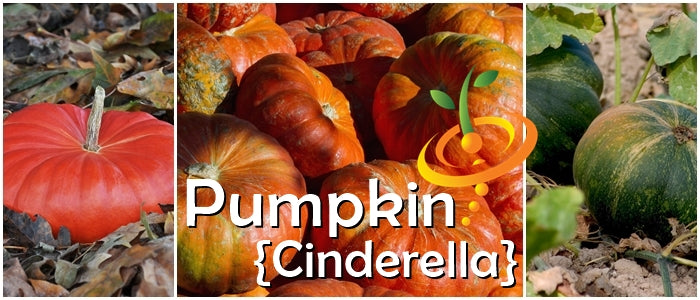
Growing Cinderella Pumpkins: A Complete Guide
The Cinderella pumpkin is one of the most enchanting varieties you can grow in your garden. With its distinctive ribbed shape and deep orange color, it's the pumpkin that inspired fairy tales and still captures imaginations today. Whether you're growing for decoration, cooking, or simply the joy of gardening, here's everything you need to know.
What Makes Cinderella Pumpkins Special
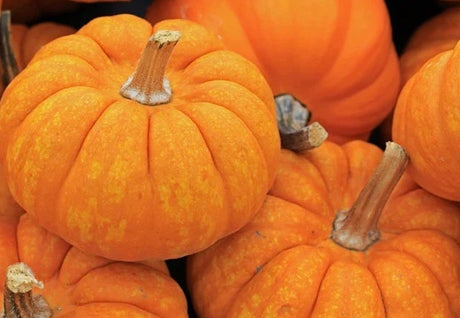
Cinderella pumpkins are prized for their unique appearance and culinary qualities. Their flattened, deeply ribbed form makes them instantly recognizable, and their sweet, dense flesh is perfect for soups, purees, and pies. These heirloom varieties typically weigh between 2 to 4 pounds, making them ideal for smaller households or decorative displays.
Planting Your Cinderella Pumpkins
Start your seeds indoors about 3 to 4 weeks before your last spring frost, or direct sow them into the garden once soil temperatures reach 70°F or higher. Plant seeds about an inch deep in rich, well-draining soil with plenty of organic matter. Space plants about 4 to 6 feet apart, as they need room to sprawl and develop their characteristic shape.
Cinderella pumpkins thrive in full sun—aim for at least 6 to 8 hours of direct sunlight daily. They prefer slightly acidic to neutral soil with a pH between 6.0 and 7.0. Water deeply and consistently, keeping the soil moist but not waterlogged, especially during flowering and fruit development.
Care and Maintenance
Feed your pumpkin plants with a balanced fertilizer every few weeks, then switch to a lower-nitrogen formula once flowering begins to encourage fruit development rather than excessive vine growth. Mulch around the base of plants to retain moisture and regulate soil temperature.
Watch for common pests like squash bugs and cucumber beetles. Hand-pick larger pests when possible, or use organic pest management methods. Powdery mildew can be an issue in humid conditions—ensure good air circulation and avoid overhead watering.
Harvesting and Storage
Cinderella pumpkins are ready to harvest when their skin is fully colored and hard enough that your fingernail can't pierce it. This typically occurs 75 to 100 days after planting. Cut the stem with a sharp knife, leaving a few inches attached to the fruit. Cure your pumpkins in a warm, dry location for about 10 days to harden the skin further, which extends storage life.
Store your harvested pumpkins in a cool, dry place with good air circulation. Properly cured Cinderella pumpkins can last several months, making them perfect for fall decorating and cooking throughout the season.
Using Your Harvest
Beyond decoration, Cinderella pumpkins are wonderful in the kitchen. Their sweet, fine-grained flesh works beautifully in soups, roasted dishes, and baked goods. Roast them whole or cut them into pieces, scoop out the seeds for roasting, and enjoy the rich, slightly nutty flavor that makes these pumpkins a culinary treasure.
- The Cinderella is an old heirloom from France - looks just like the coach in the Cinderella fairy tale
- Plant produces medium-sized 25 lb. red/orange pumpkins
-
This pumpkin has delicious flesh
- Days to Maturity | 100-110 days
Additional Details
The word pumpkin originates from the word pepon, which is Greek for “large melon". The French adapted this word to pompon, which the British changed to pumpion and later American colonists changed that to the word we use today, "pumpkin".
Frequently Asked Questions
What makes Cinderella Pumpkin a unique French pumpkin variety?
Are these orange pumpkin seeds suitable for growing in a home garden?
Can I grow Cinderella Pumpkin plants indoors or are they best suited for outdoor gardening?
What are the main characteristics of heirloom pumpkin seeds like Cinderella Pumpkin?
How do I harvest and store Cinderella Pumpkin for the best quality and longevity?
Is Cinderella Pumpkin good for cooking, and what types of dishes are recommended?
How long does it typically take for Cinderella Pumpkin to mature after planting?
What care should I provide to ensure healthy growth of my Cinderella Pumpkin plants?
What are the common pests and diseases to watch for when growing Cinderella Pumpkin?
How big do Cinderella Pumpkins usually grow, and how are they shaped?

continue shopping ...
🌱 Featured Collections
View seed catalog















We now accept the following payment methods
About Our Seeds
About Our Seeds

|
GMO-FREE We also offer a few hybrid varieties on this website and they will be labeled as such on product listing. |

|
|
|
MOISTURE-PROOF PACKAGING All our seeds are packaged in high quality re-sealable moisture-proof packs designed to protect & extend the shelf-life of your seeds. We do NOT use paper envelopes. Read frequently asked questions |
 |
|
|
5-STAR CUSTOMER SUPPORT |
 |
|
|
SATISFACTION. GUARANTEED. |
 |
|
|
HIGHEST QUALITY SEEDS |

|
|
|
TOTALLY RAW & UN-TREATED |

|

Know where your food comes from.
Support local growers.
Grow your own Organic/GMO-FREE food!

Useful Links: [What is GMO?] [Step-by-Step Grow Guides] [Safe Seed Pledge] [FAQs]
WE DO NOT GROW OR SELL SEEDS FROM MONSANTO OR ANY OTHER COMPANY THAT IS AFFILIATED WITH GMO.
✓ NON-GMO
✓ HEIRLOOM
✓ OPEN-POLLINATED (OP)
✓ RAW, NATURAL & UN-TREATED
Safe Seed Pledge
Safe Seed Pledge
OUR PLEDGE TO YOU
Agriculture and seeds provide the basis upon which our lives depend. We must protect this foundation as a safe and genetically stable source for future generations.
For the benefit of all farmers, gardeners and consumers who want an alternative. We pledge to you that we do not knowingly buy or sell genetically engineered seeds or plants. The mechanical transfer of genetic material outside of natural reproductive methods and between genera, families or kingdoms, poses great biological risks as well as economic, political, and cultural threats.
We wish to support agricultural progress that leads to healthier soils, genetically diverse agricultural ecosystems and ultimately healthy people and communities.
We do not buy - OR - grow any seed from large corporations that make Genetically Engineered seeds. We don't touch that stuff and we never will.
The seeds we offer aren't like varieties you'd typically find at a garden center.
Every variety we offer is 100% OP (open-pollinated). Open-pollination means that you can safely save the seed after harvest and preserve a collection of heirloom seed for many generations to come.
To make it perfectly clear ... Our seeds do not contain any exogenously inserted embryogenesis deactivator genes caused by human intervention.
⭐⭐⭐⭐⭐
Highest Quality Seed, Guaranteed
... continue shopping!